Why Is My Bird’s Beak Overgrown? Signs, Causes, and Care
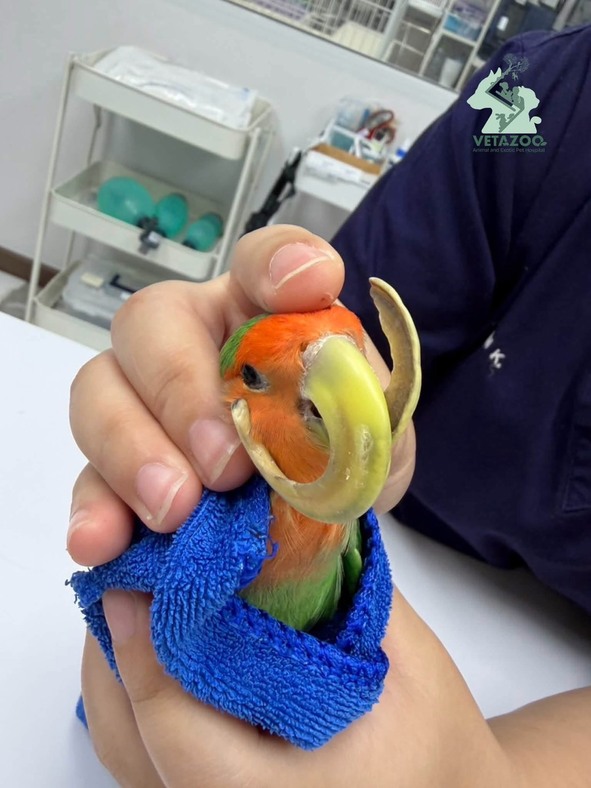
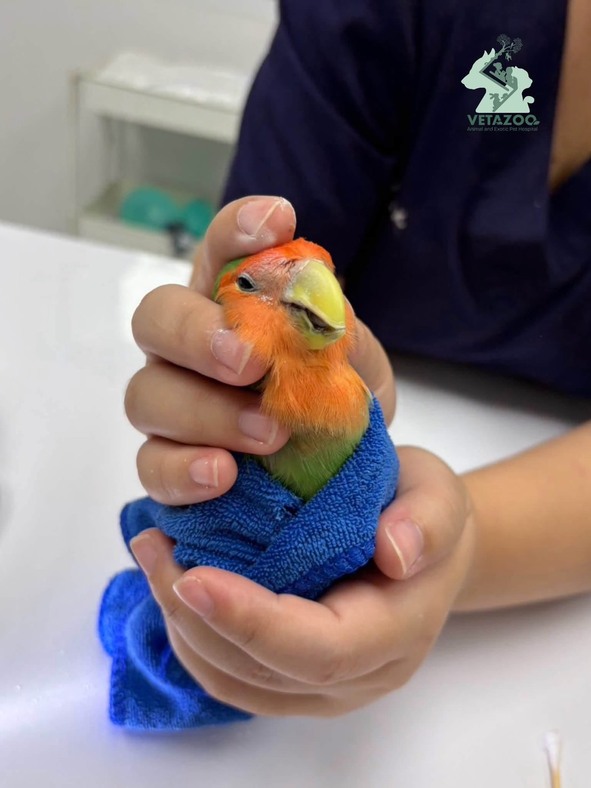
A bird’s beak has an outer layer made of keratin that continues to grow. In a healthy bird, everyday activities such as eating, climbing, and playing help wear down the tip of the beak. If the beak grows unusually quickly, becomes misshapen, or makes eating difficult, it may be a sign of an underlying health problem.
How Can You Tell If Your Bird’s Beak Is Abnormal?
Look for changes in both the beak and your bird’s behaviour, such as:
- A beak that has become longer, more curved, or uneven
- Upper and lower beaks that no longer meet normally
- Cracks, crusts, or changes in the beak’s surface
- A change in beak colour
- Difficulty eating, reduced appetite, frequently dropping food, or weight loss
Normal beak shape varies between bird species. If you are unsure whether your bird’s beak is overgrown, a veterinarian can assess it.
What Causes an Overgrown Beak in Birds?
Several conditions can affect beak growth or wear:
Liver disease or other health problems: An overgrown beak can be one sign of liver disease, particularly when accompanied by other changes, such as overgrown nails or a change in body condition.
Previous injury or abnormal beak alignment: An injury may change the shape of the beak or the way its upper and lower parts meet. This can cause uneven wear and gradual overgrowth.
Conditions affecting the beak: Certain infections or mites can cause crusting and changes to the beak’s shape.
Nutrition and husbandry: A veterinarian will consider your bird’s diet and living environment as part of the assessment. However, an overgrown beak should not automatically be attributed to a lack of toys or chewing opportunities.
Depending on the bird’s species, age, and other symptoms, the veterinarian may also consider conditions such as psittacine beak and feather disease (PBFD), a viral disease that can affect the feathers and beak of parrots. An overgrown beak on its own does not mean a bird has PBFD.
How Is an Overgrown Beak Treated?
The veterinarian will examine the beak’s shape and alignment and review your bird’s eating habits, weight, diet, and environment. Further tests may be recommended if an underlying disease or structural problem is suspected.
If the beak is interfering with daily activities, the veterinarian may carefully reshape it and address the underlying cause. Treatment might include dietary changes, treatment for an infection or parasites, or ongoing care for another health condition.
Do not attempt to cut or grind your bird’s beak at home. The beak contains blood vessels and nerves. Improper trimming can cause pain, bleeding, or lasting damage.
How Can You Care for Your Bird’s Beak?
Provide a diet and environment suited to your bird’s species, along with safe toys and activities that allow natural use of the beak. Regularly check its shape and monitor your bird’s appetite and weight. Routine veterinary examinations can also help identify changes early.
If the beak grows quickly, becomes misshapen, or makes eating difficult, arrange a veterinary examination promptly. Reshaping the beak alone may not resolve the problem if an underlying condition remains untreated.
At Vetazoo Animal Hospital, we can assess your bird’s beak and overall health and recommend a care plan suited to your bird’s needs.